Material Deposition and Characterization (YIG, Permalloy, Cu, Ti, Pt etc)
Thin-film deposition and characterization of materials (metals, dielectrics, magnetic), annealing, AFM, VSM, XRD among other analyses.
Overview
I have done deposition and characterization of magnetic thin films, specifically Yttrium Iron Garnet (YIG) and Permalloy (Ni₈₀Fe₂₀), and other materials such as Cu, Ti, Pt for use in magnonic, spintronic, optoelectronic and MOS devices.
I utilized RF and DC sputtering followed by annealing, and performed AFM, vibrating sample magnetometry (VSM), etc**, and **XRD crystallographic verification**.
YIG and Permalloy Thin-Film Deposition
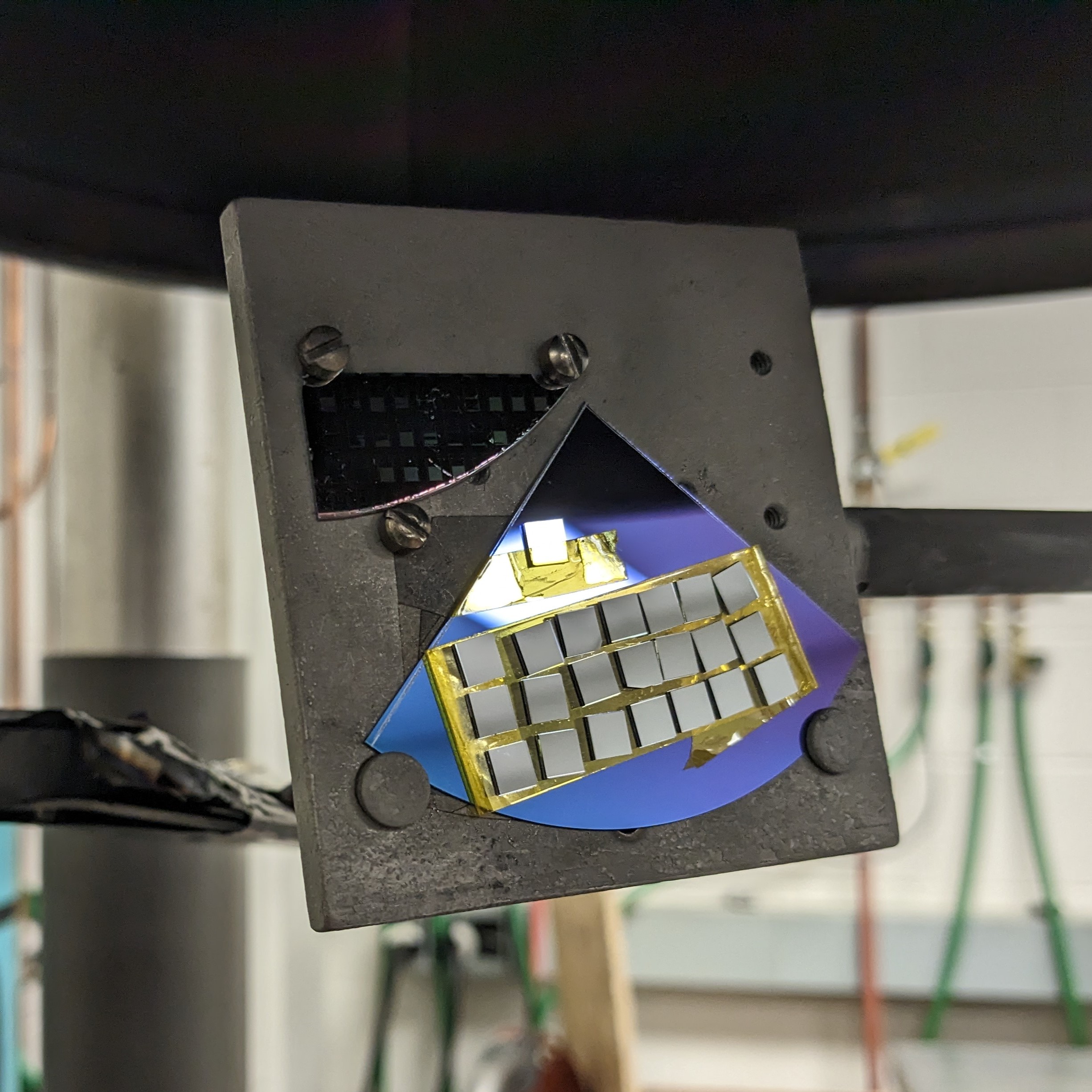
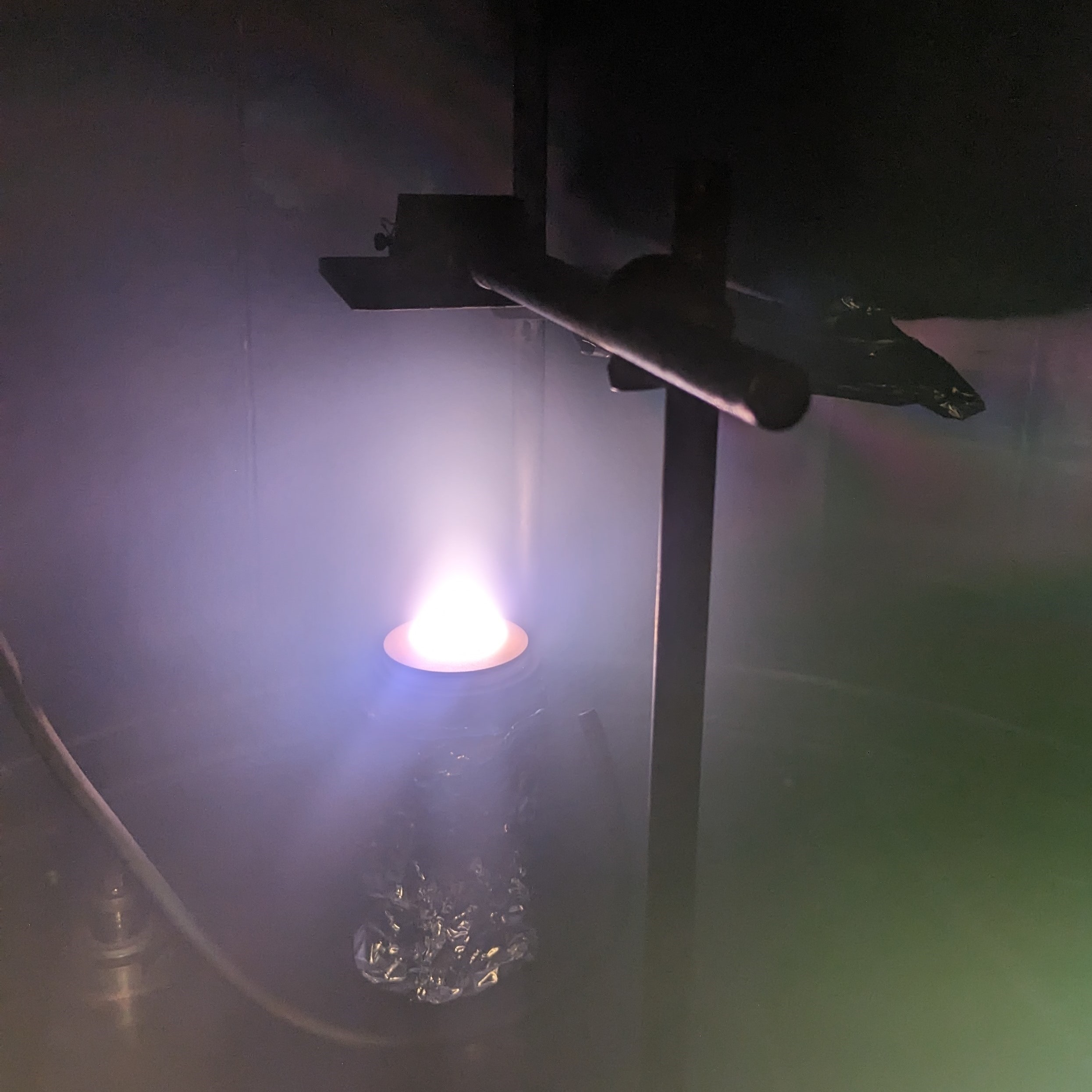
YIG and Permalloy films were deposited using a single-target sputtering system under controlled pressure and power conditions. Below are some sputtering parameters, they can vary vastly depending on specific sputtering chamber/setup.
- YIG deposition: RF sputtering on GGG or Si substrates
- Permalloy deposition: DC sputtering on Si/SiO₂ substrates
- Base pressure: 3 × 10⁻⁶ Torr
- Working pressure: 5 mTorr in Ar
- Power: 70-80 W (RF), 60 W (DC)
- Tips and Tricks:
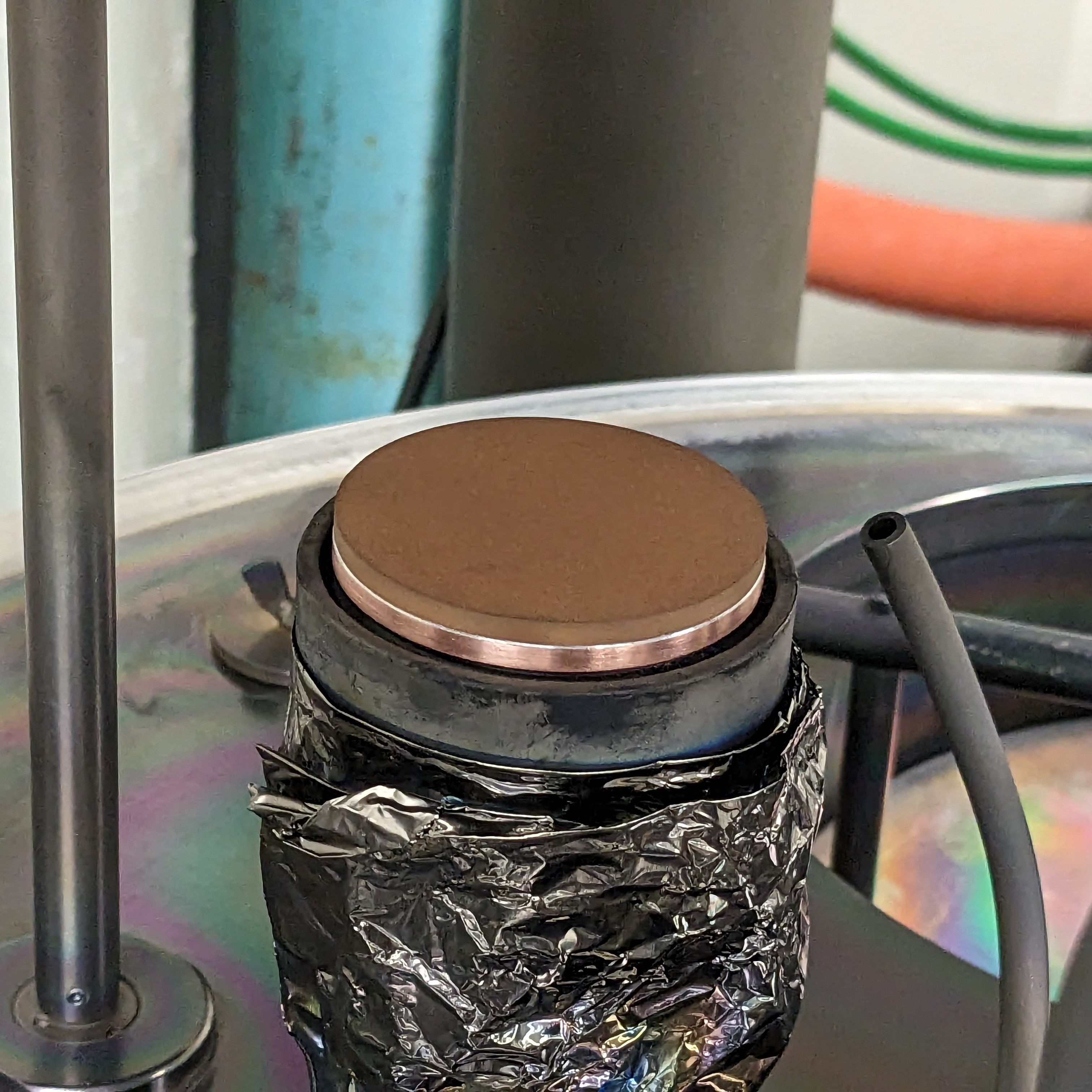
- Using Cu backing plate with YIG target minimize the risk of target cracking.
- Use 20 mils thick permalloy target instead of 0.25” thick target. Because, thicker target have difficulty striking the plasma due to strong ferromagnetism of permalloy.
Surface Morphology and Annealing
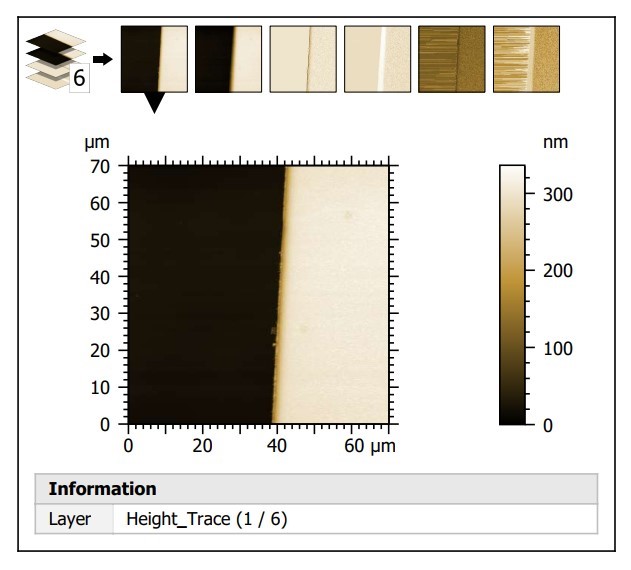
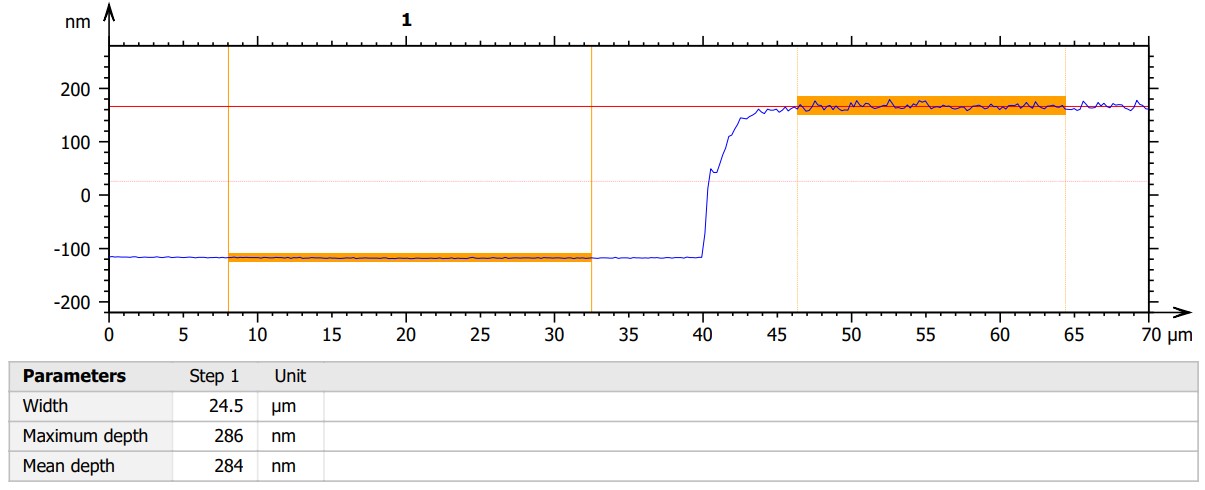
- Deposition thickness of YIG films was inspected using Atomic Force Microscopy (AFM).
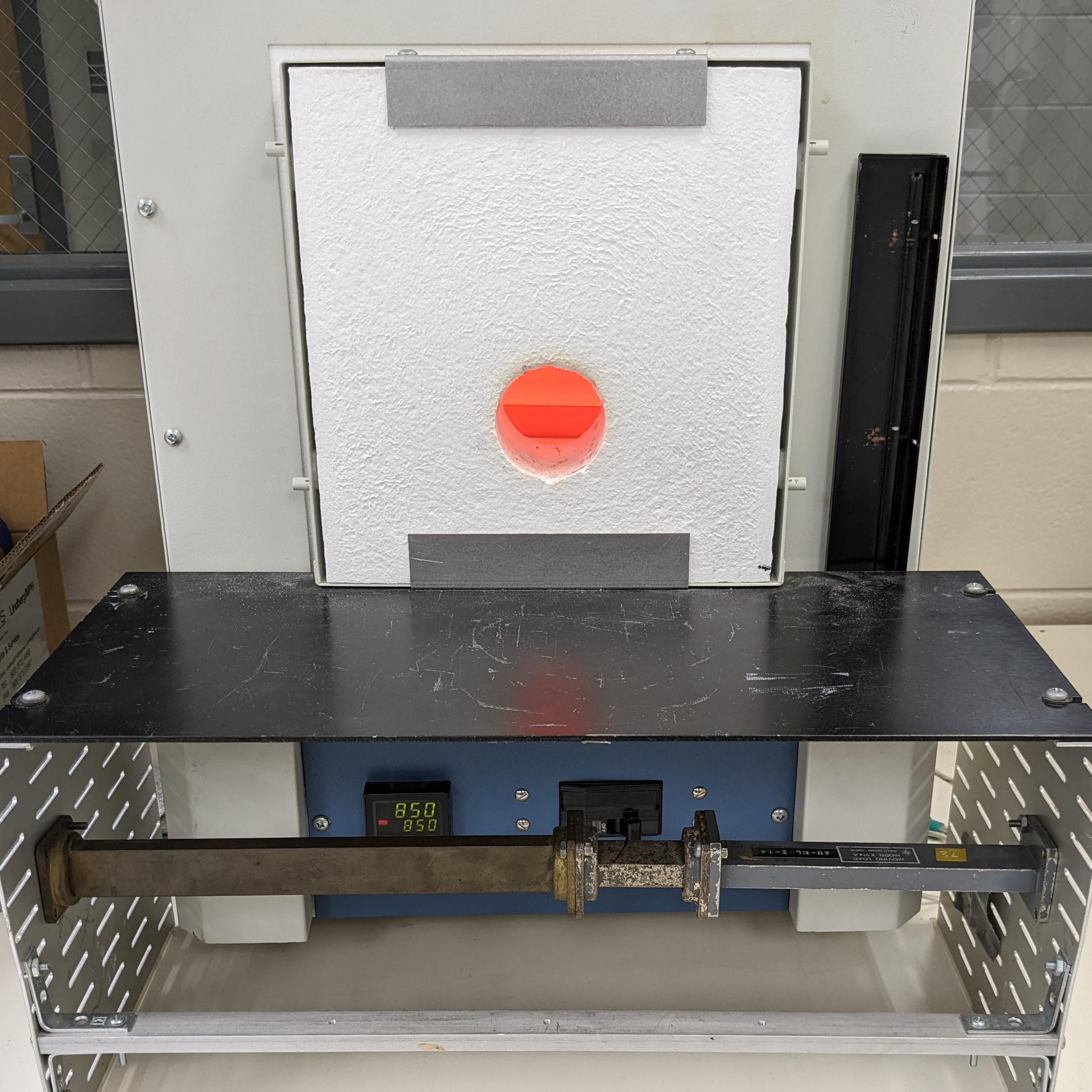
- To crystallize the amorphous YIG layer, samples were annealed at 850 °C for 3–4 hours in ambient oxygen, followed by controlled cooldown to room temperature.
Magnetic and Structural Characterization
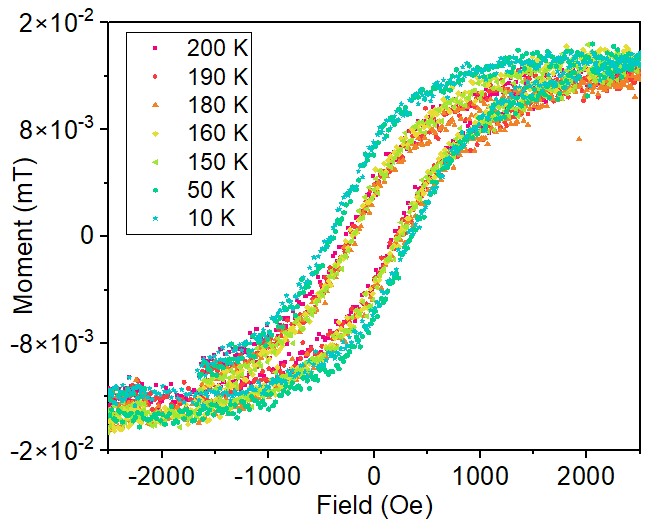
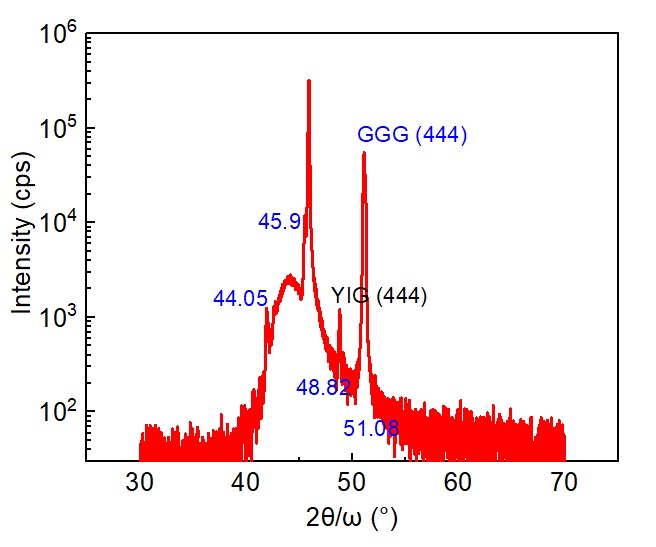
After annealing, films were characterized using Vibrating Sample Magnetometry (VSM) and X-ray Diffraction (XRD):
- VSM: Measured in-plane (IP) and out-of-plane (OOP) hysteresis (M–H) loop, revealing magnetic hysteresis and low coercivity.
- XRD: 2θ–ω scans confirmed polycrystalline YIG peaks and phase purity after high-temperature annealing.
Additional Fabrication Work
- Sputtering deposition of Ti, Cu, Pt, Al, TiN, and other metallic layers for device contacts
- ALD growth of Al₂O₃ for dielectric isolation and surface passivation
- Integration of multilayer stacks combining magnetic, metallic, and dielectric films
- Optimization of thickness control, adhesion, and uniformity across different substrates
- Supported process development for hybrid magnonic, photonic, and spintronic device fabrication
Tools & Facilities
- Sputtering System: KJLC RF/DC sputter tool
- Characterization: AFM, QD-PPMS (VSM), and Rigaku XRD
- Annealing Furnace: High-temperature furnace (1200 °C max)
- Location: Alabama Micro/Nano Science and Technology Center and VT ECE Micron Technology Semiconductor Processing Lab