PCB Design & Assembly for Sub-2 K Magnetic Measurements
PCB assembly, CPW mounting, and low-temperature setup for magnetic sample characterization.
I have designed and assembled PCBs for low-temperature (<2 K) magnetic measurements.
- Careful orientation of in-plane (IP) and out-of-plane (OOP) samples, coaxial cable routing, and current pad layout for high-precision experiments.
- Creating SMP port and pin footprints
- 4-layer design for DC lines connections using pads, via and pins
- Assembly steps: SMP port integration, CPW and resonator chip mounting using conductive silver paint, and curing for stable low-temperature operation.
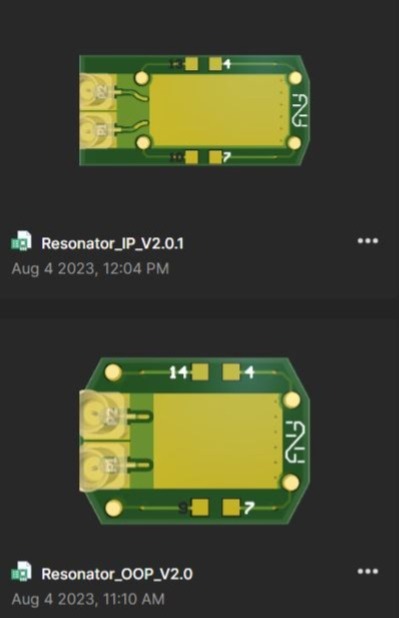
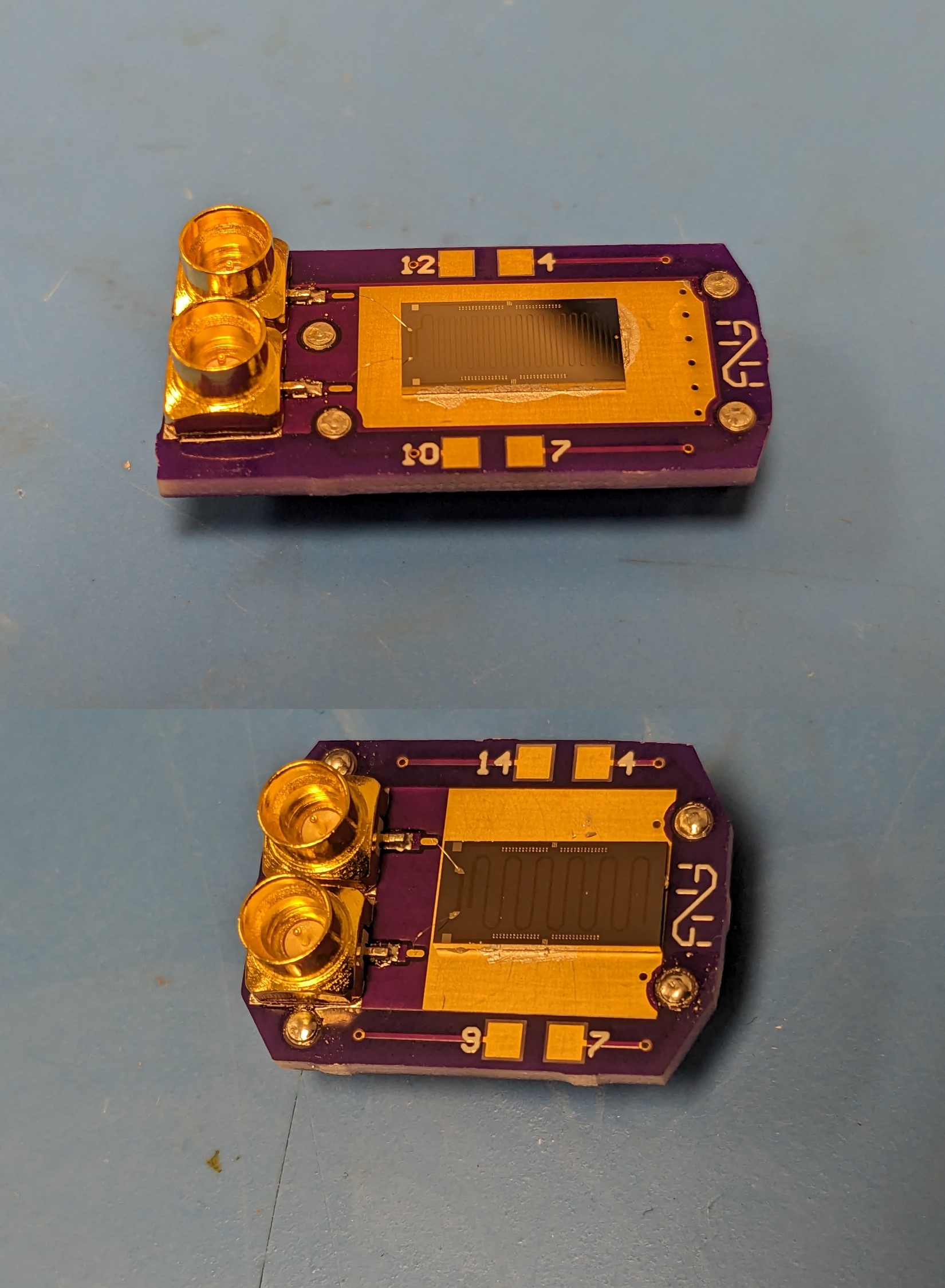
PCB layout, chip mounting, and SMP port integration for high-fidelity low-temperature (Sub-2 K) magnetic measurements.
Key Steps & Techniques

- PCB Design: Layout for current application pads and coax routing optimized for low-temperature operation. (Designed using: Altium Designer)
- Sample Orientation: In-plane (IP) and out-of-plane (OOP) mounting for magnetic characterization.
- Chip Assembly: CPW and resonator chips mounted with conductive silver paint, followed by curing in a vacuum oven.
- Connector Integration: SMP ports soldered using solder paste for robust RF connections.
- Sub-2 K Measurement Preparation: Assembled boards are compatible with cryogenic measurement setups for magnetic samples.
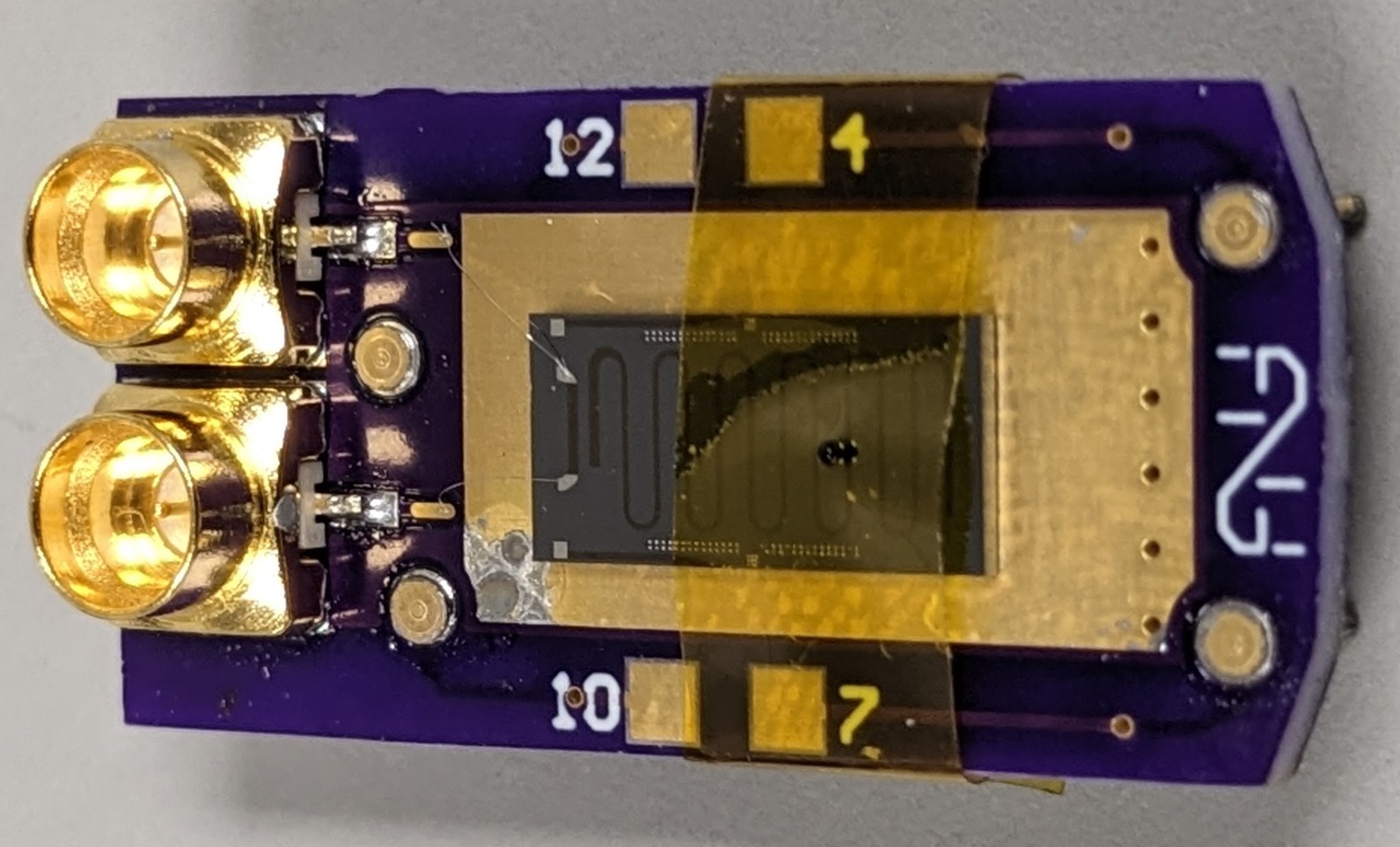
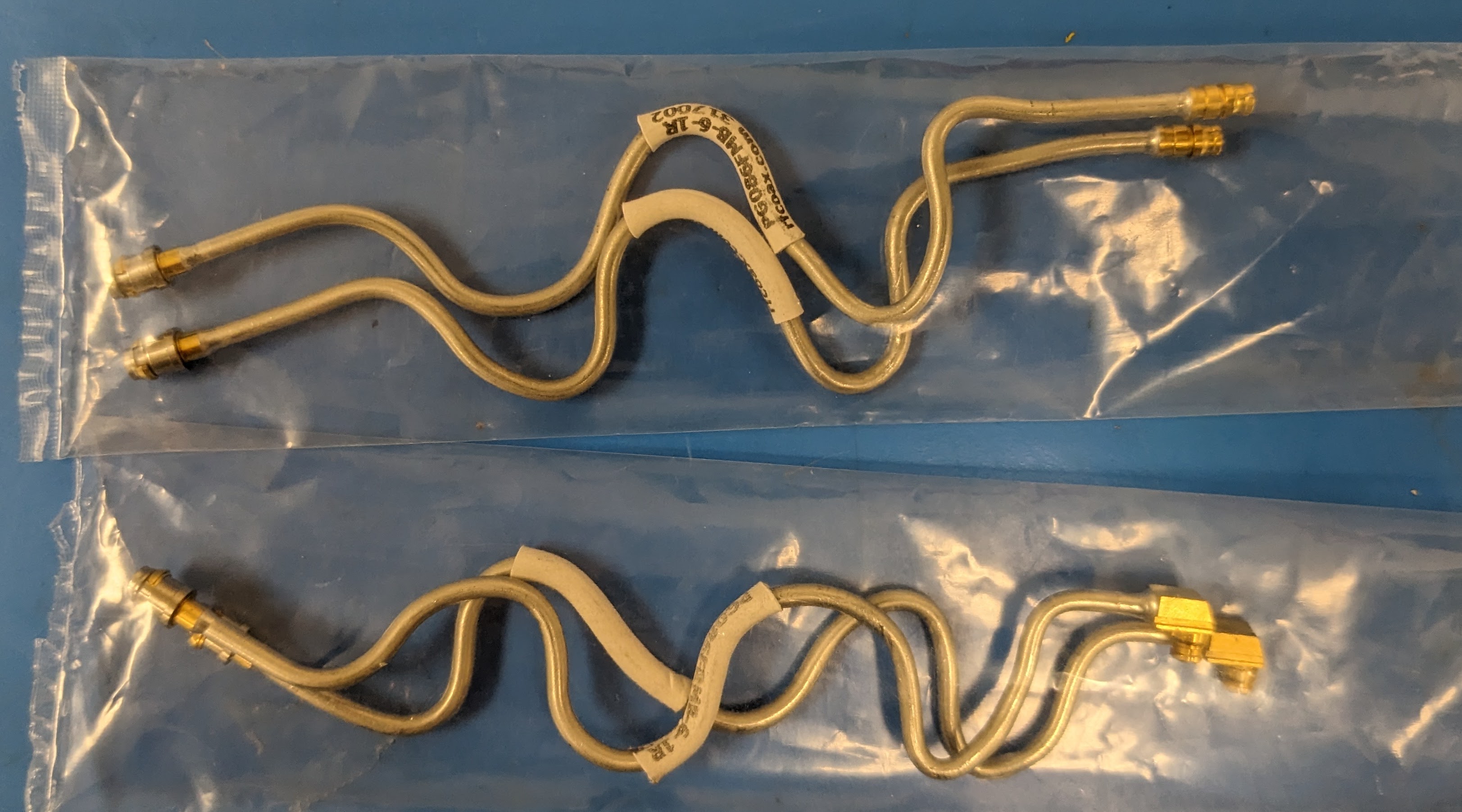
Final assembly with an YIG sphere (Left), the coaxial cables (Right), ready for sub-2 K magnetic characterization experiments.
Demonstrated precision PCB assembly techniques for low-temperature magnetic experiments, combining RF design, mechanical mounting, packaging and cryogenic compatibility.